How to Create Evergreen Video and Audio Podcast Content That Attracts Clients EPS 14
Learn how to plan evergreen podcast episodes using audience search intent, strategic content topics and a simple content calendar to attract high intent clients over time.
Wondering what to talk about on your podcast next? For many business owners, the hardest part of podcasting is not recording. It is consistently finding topics that attract the right audience and support business growth.
Evergreen podcast content solves that problem. Instead of relying on random ideas or the latest trends, you can plan useful, searchable episodes that continue answering your audience’s questions long after publication. The goal is not simply more views or downloads. It is to build trust, demonstrate expertise and attract people who are a good fit for your business
What is evergreen podcast content?
Evergreen podcast content covers questions and challenges that remain relevant over time. Unlike a news update or a platform announcement, an evergreen episode can keep helping new viewers and listeners months or years after it is published, provided the information stays accurate.
For example, an episode explaining how to choose podcast equipment or develop a video podcast strategy may remain useful well beyond launch week. Evergreen does not mean never updating an episode or blog. Review topics when technology, prices or platform features change.
Why strategic podcast content planning matters for business growth
When you plan episodes around your ideal client’s needs, you give your podcast a clearer purpose. Searchable topics can help people discover your content on YouTube and Google, while a connected series of episodes can lead them from an initial question towards a deeper understanding of your expertise.
A thoughtful plan also reduces the pressure to invent a new topic every week. You know what to record, why each episode matters and how it fits into your wider content marketing strategy

A five step framework for planning evergreen podcast episodes
1. Start with audience search intent
Before choosing a title, consider what your ideal client is actually typing into Google or YouTube. Focus on the words they use to describe their problem, not only the technical terms used in your industry. For a business podcast, that could mean researching questions about generating leads, establishing authority or building a video podcast that supports existing offers. The closer your topic is to a genuine audience need, the more useful the episode can become
2. Research real questions using Google search
Enter a broad topic into Google, then examine the “People also ask” section and related searches. Expand relevant questions and note repeated themes. These are starting points for understanding demand, not guarantees of search rankings or client conversions.
For example, someone researching podcasting may ask whether they need a website, how to publish on YouTube or whether a podcast can generate leads. Turn the most relevant questions into focused episode ideas with one clear promise each
3. Expand your ideas with audience research tools
Tools such as AnswerThePublic and Ubersuggest can help reveal question-based searches and related phrases. Use them to explore what people want to know, then decide which topics reflect the needs of the clients you actually want to attract.
An important distinction is that popular beginner questions are not always the right content for an established service business. If your ideal client is already operating a business, prioritise the more specific problems they need help solving.

4. Organise topics into three content buckets
A balanced podcast content plan draws on three types of episodes:
• Evergreen: lasting topics that answer recurring questions, such as choosing a podcast format or developing a podcast marketing strategy.
• Problem solving: practical episodes that address a particular challenge, such as turning podcast viewers into enquiries or improving content discoverability.
• Trending: timely topics, such as new YouTube podcast features, which may need updating as the platform changes.
These buckets prevent your podcast becoming either too generic or too dependent on trends. They also make it easier to plan connected content around the needs of your audience
5. Build a realistic podcast content calendar
A content calendar does not need to be complicated. Use a spreadsheet or a simple project board. Choose a publishing rhythm you can sustain, research eight to ten potential topics, and group related episodes into a logical series.
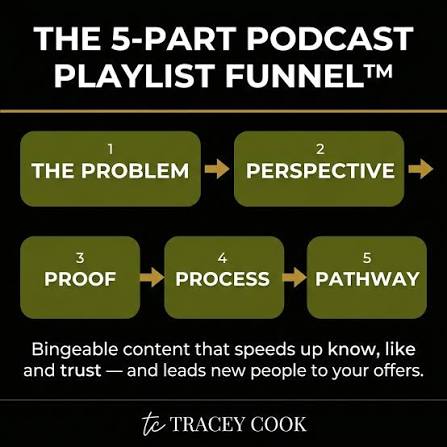
For example, a month focused on podcast growth could cover repurposing video clips, creating podcast playlist funnels™, YouTube podcast SEO and promoting episodes on social media. Each episode answers a useful question, and together they create a stronger journey for the viewer.
Batching can also help. Set aside separate time to research, outline, record, edit and schedule episodes. Leave some flexibility for timely topics without losing sight of your long term strategy.
How evergreen video podcast content can attract high intent clients
Publishing on YouTube gives video podcast episodes the opportunity to be discovered through search and recommendations. Clear titles, relevant descriptions and content that fulfils the viewer’s expectation can make each video more useful and easier to understand.
However, discoverability alone is not the objective. A business podcast should help the right people move from awareness of a problem to confidence in your approach. Connected YouTube playlists can support that journey by making the next relevant episode easy to find.
The strongest topics connect three things: what your audience is actively trying to solve, what you can credibly teach and the outcome your business helps them achieve
Your action plan: create an eight week evergreen podcast content strategy
• Search one core topic on Google and record five to ten relevant audience questions.
• Use an audience research tool to uncover another five potential episode ideas.
• Sort the ideas into evergreen, problem solving and trending topics.
• Select eight episodes aligned with your ideal clients and business offers.
• Put them into a realistic schedule, then batch the next stage of production. This approach gives each episode a purpose and helps turn a blank content calendar into a practical publishing plan.
Final thoughts
Evergreen podcasting is not about producing content endlessly. It is about creating the right content intentionally. Begin with audience questions, develop relevant topics, organise them into a clear plan and make each episode useful enough to revisit and share.
When your video and audio podcast content is built around genuine search intent and the needs of high intent clients, it has a better chance of continuing to support your brand and business long after you hit publish.
Join VideoPod Network
Launch your video podcast in 30 days with VideoPod Network, plus the templates, prompts, and playlist funnel roadmap to turn episodes into leads.
Enrol in The Podcast Mastery Program
Join the Podcast Mastery Program and build a client attracting YouTube video podcast with a clear strategy, streamlined systems, and The Podcast Playlist Funnel Method. Includes Podcast host Certification.
Keep showing up, and I will see you in the pod.
TC x


