The End of Year YouTube Reset That Sets You Up to Win in January EPS 23
Reset your YouTube channel before January with five practical steps covering analytics, podcast production, channel branding, playlists and realistic content goals. Build momentum without sacrificing your holiday break
Why an end of year YouTube reset matters
The final weeks of the year offer a valuable opportunity to prepare your YouTube video podcast for January. Rather than spending the holidays recording nonstop or beginning the new year with an overwhelming to-do list, focus on a few improvements that make your content easier to create and easier for the right people to find.
For women in business, the goal is not simply more subscribers. It is to build a YouTube channel that earns attention, develops trust and guides high intent viewers towards your business offers. A purposeful reset brings your content, systems and marketing back into alignment.
January often brings renewed interest in planning, habits, visibility and business growth. That makes it a useful time to revisit what your audience is searching for and prepare content that meets their needs
Step 1: Audit your YouTube analytics to find what is working
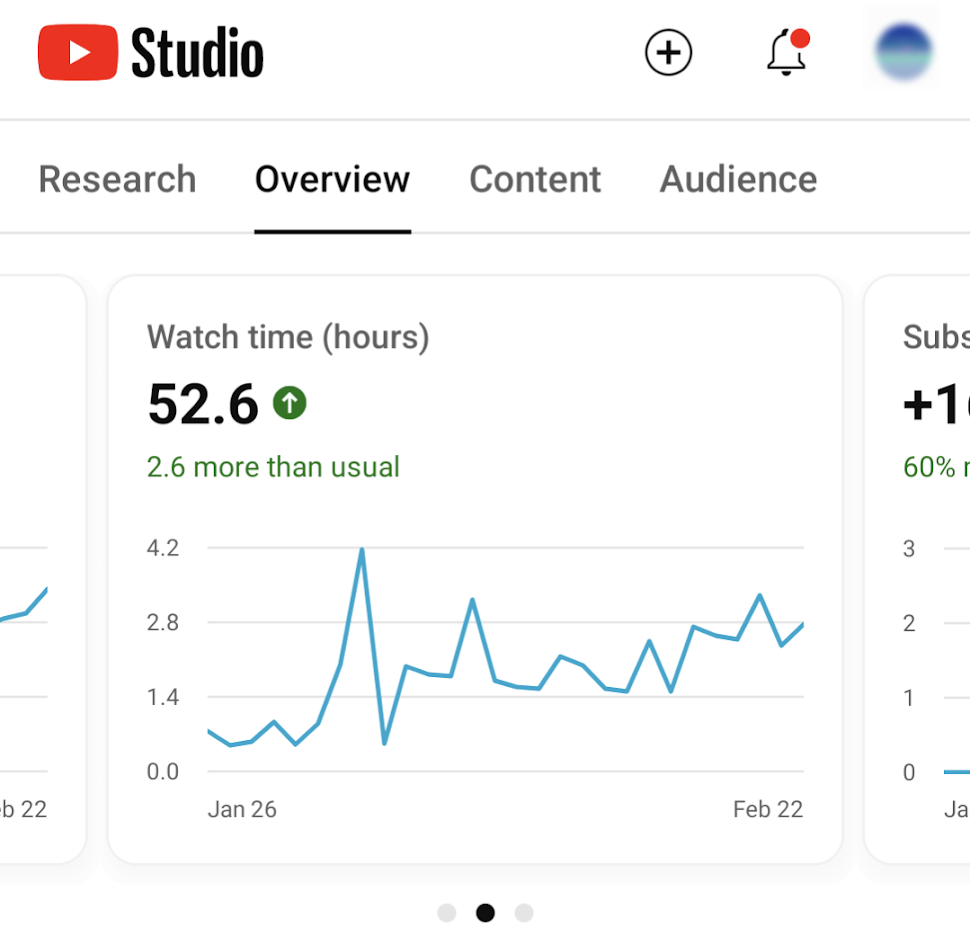
Start in YouTube Studio with a focused 30 to 45 minute analytics review. Look at your five strongest videos by watch time, not just total views. Watch time can reveal which topics and formats held your audience’s attention, while views alone tell only part of the story.
Compare the topics, episode lengths, titles, thumbnails and opening 30 seconds of those videos. Did viewers respond best to step-by-step tutorials, personal stories or practical checklists? Then review three weaker performers to identify ideas or approaches that did not connect as strongly.
Finally, check where viewers found your videos, including YouTube Search, Suggested Videos, Browse features and external sources, and examine the audience retention graphs. Look for the moments people continued watching and the points where they dropped off.
Your outcome: Write down one clear pattern you can apply to your next January episode, such as creating more concise tutorials or strengthening your opening hook
Step 2: Simplify your podcast production workflow
A consistent publishing schedule is easier to maintain when recording and editing do not feel like starting from scratch. Spend time removing the small obstacles that repeatedly slow you down.
Archive old projects, organise your digital folders and update the templates you use for episode descriptions, calls to action, pinned comments and end screens. If you use YouTube playlists to lead viewers towards your offers, check that each next step still makes sense.
Review your recording setup too. Save camera settings, audio presets, lighting choices and episode outline templates. If you batch record, prepare your space and talking points so the next recording session is focused on creating content, not finding cables or files.
Your outcome: A repeatable recording-to-publishing workflow that supports your business without demanding your attention every day
Step 3: Refresh your YouTube channel for new viewers
When somebody discovers one of your videos in January, can they immediately understand who you help, what your podcast covers and why they should watch more? Your channel foundations should answer those questions quickly.
Review your channel banner and About section so they reflect your current positioning. Check your featured videos, channel trailer and any links attached to your channel. Update anything that no longer matches your business direction.
Then create or improve a clearly labelled Start Here playlist. For a business-focused video podcast, playlists should do more than organise episodes. They can guide a new viewer through related content in a deliberate order, building understanding and trust along the way.
Make the next step specific. Rather than asking viewers to subscribe, comment, share and visit several links at once, choose one clear call to action that fits the episode and the viewer’s stage of awareness.
Your outcome: A channel that helps new viewers move naturally from discovery to deeper engagement and, when relevant, towards your offers

Step 4: Build a small January podcast content buffer
You do not need a huge batch of videos to feel prepared. Start by choosing three to five topics that align with your audience’s January priorities and the content formats already performing well on your channel.
Consider themes such as goal setting, simpler systems, marketing consistency, visibility or business growth, but only where they genuinely fit your niche. Create outlines for your first three episodes with a strong hook, key points, useful examples, supporting visuals and one call to action.
Prepare thumbnails, graphics, screenshots and any relevant B-roll in advance. Then complete one evergreen video that you can publish when life gets busy. Give it a finished thumbnail and description so it is genuinely ready, not another half-completed task.
Keep an extra bank of ten quick episode ideas that answer common audience questions. This gives you practical options when your calendar changes.
Your outcome: A manageable content buffer that helps you publish confidently without working through every holiday.
Step 5: Set realistic YouTube growth goals for the new year
Ambitious goals can provide direction, but unrealistic expectations often make consistent publishing harder. Focus on one meaningful milestone for the first quarter that supports your wider business objectives.
Choose three skills to improve, such as hooks, storytelling, thumbnails, on-camera confidence or clearer calls to action. Decide on a publishing rhythm that works around your real commitments. Batch recording may help you maintain it, but the schedule must be sustainable
Measure progress beyond subscriber numbers. Look at returning viewers, meaningful comments, viewers watching multiple episodes and whether your content is encouraging appropriate next steps. Those signals can be especially useful when the goal is stronger client relationships, not simply a larger audience.
Finally, define your minimum publishing standard for busy weeks and the boundaries that protect your time and energy. The best content strategy is one you can maintain.
Your outcome: A practical first-quarter plan with a measurable goal, a few specific improvements and a realistic workflow.
A 30 minute YouTube reset you can do today
You do not have to complete the entire process at once. Start with the analytics audit and identify your five strongest videos by watch time. Compare the topics, titles, thumbnails and retention patterns, then choose one insight to guide your first January video.
That small decision gives your next episode a clearer purpose and makes the remaining steps easier. It also keeps you focused on what your viewers have actually responded to, rather than guessing what might work next.
The goal: Start January with clarity, systems and momentum
An end of year YouTube reset is not about producing more content for the sake of it. It is about making your existing content work harder, improving the viewer journey and removing unnecessary friction from your podcast production.
Audit what worked, simplify your systems, refresh your channel, prepare a small content buffer and choose realistic goals. With those foundations in place, your YouTube video podcast is better prepared to attract the right audience and support your business growth in the year ahead
Join VideoPod Network
Launch your video podcast in 30 days with VideoPod Network, plus the templates, prompts, and playlist funnel roadmap to turn episodes into leads.
Enrol in The Podcast Mastery Program
Join the Podcast Mastery Program and build a client attracting YouTube video podcast with a clear strategy, streamlined systems, and The Podcast Playlist Funnel Method. Includes Podcast host Certification.
Keep showing up, and I will see you in the pod.
TC x


